
Roof rats in attic spaces are a common problem for homeowners in Coral Gables and Pinecrest. Both areas have big shade trees, palms, fruit trees and older roofs, and that is exactly what roof rats like. If you have been hearing scratching over the ceiling at night, this post covers how to tell if it’s rats, where they usually get in, and how getting rid of them for good actually works.
Why roof rats like these neighborhoods
The roof rat (Rattus rattus) is the rat most South Florida homeowners deal with. It is a climber. It lives up high: in palm trees, thick vines, ficus hedges, and attics.
Coral Gables and Pinecrest give them a lot to work with:
- Tree canopy that touches the roof. Branches and palm fronds that hang over the roofline are a bridge straight to the attic.
- Fruit trees. Mango, avocado, citrus and other backyard fruit is an easy food source. Fallen fruit on the ground is even easier.
- Older homes. Many homes here have years of roof work, AC changes and added lines. Each change can leave a small gap that nobody noticed.
- Food left outside. Pet food on the patio, bird feeders and open trash bins all feed rats.
Roof rats breed through the year in our climate. So a small problem in the attic usually doesn’t stay small.
Signs you have roof rats in the attic
You usually hear roof rats before you see them. Here’s what to look for:
- Scratching or running sounds overhead, mostly at night and early morning.
- Droppings in the attic, garage or along the top of walls. Roof rat droppings are dark, about half an inch long, with pointed ends.
- Gnawed fruit still hanging on the tree, often hollowed out.
- Greasy rub marks along beams, pipes or where they squeeze through a gap.
- Chewed wires, AC lines or insulation in the attic.
- Rats running along fences, power lines or palm fronds around dusk.
- Pets staring at the ceiling or walls.
If you notice one or two of these, it’s worth having someone look before the population grows.
Where roof rats get in
Roof rats can fit through gaps about half an inch wide, according to the University of Florida’s roof rat guide. That’s smaller than most people expect. On homes in Coral Gables and Pinecrest, the usual entry points are:
- Roof vents and gable vents with torn, rusted or missing screens.
- Soffit gaps, especially where soffit panels meet the fascia or have pulled loose.
- Roof-to-wall joints where a lower roof meets a second-story wall.
- AC line and plumbing penetrations that were never sealed after installation.
- Gaps around the garage door, especially the top corners.
- Tile roof edges where the open end of the tile is not closed off.
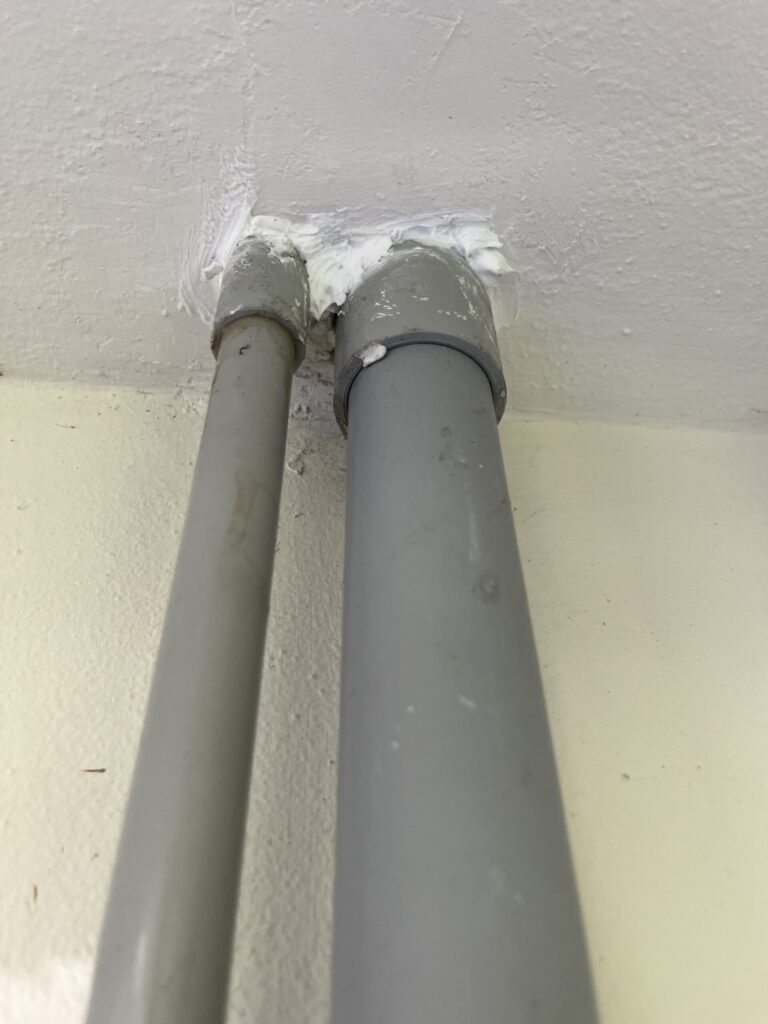
A good inspection walks the roofline, the attic and the outside walls. The goal is to find every gap, not just the first one.
How roof rat control works: trap, seal, prevent
Trapping alone doesn’t solve the problem. If the entry points stay open, new rats move in. Here’s how R Best handles roof rats in attics, step by step.
1. Inspection
We check the attic, garage, roofline and outside of the home. We look for active signs, nesting spots and every possible entry point. Then you get a plan before any work starts.
Many rodent inspections are free. More complicated ones, like large homes with several roof levels, may have a fee. We’ll tell you up front before anything is scheduled.
2. Trapping and removal
Inside the home and attic, we use professional snap traps placed along the paths rats are using. We come back to check and reset them and remove what we catch. Outside, tamper-resistant bait stations can be placed around the perimeter. We don’t put poison where kids or pets can reach it.
3. Exclusion (sealing the gaps)
This is the step that keeps rats from coming back. We seal the entry points we found with rodent-proof materials such as steel mesh, hardware cloth and copper mesh. Common spots are roof vents, soffit gaps, AC line openings and garage door corners.
4. Cleanup and prevention
After the rats are out, we check the attic insulation. If it needs cleanup, our team can handle it. For homes with heavy tree cover or fruit trees, an ongoing plan with exterior bait stations and regular checks can catch new activity early.
Most active attic problems take a few weeks of trapping and follow-up visits to clear, depending on how many rats there are and how many gaps need sealing.
What you can do today
You can make your home less inviting before anyone comes out:
- Trim branches and palm fronds so they are at least a few feet away from the roof.
- Pick up fallen fruit every day or two, and harvest ripe fruit early.
- Bring pet food inside at night and keep bird seed off the ground.
- Use trash bins with tight lids.
- Check vent screens from the ground with binoculars for tears or rust.
- Store things in plastic bins in the garage instead of cardboard boxes.
These steps won’t remove rats already inside, but they make it much harder for new ones to settle in after exclusion.
Don’t wait on attic noises
Roof rats are a fixable problem. The homes that stay rat-free are the ones where the gaps get sealed and the yard stops feeding them.
If you live in Coral Gables or Pinecrest and you’re hearing noises in the attic, R Best Pest Solutions can help. See how our rodent control in Miami works, or call (305) 525-6897 for a same-day or next-day inspection. R Best is licensed and insured and serves all of Miami-Dade.